
Green Antenna Technology: Supporting More Sustainable Mobile Networks
As mobile network operators expand 4G and 5G coverage, improving energy efficiency and reducing carbon emissions have become strategic priorities. Antennas are a critical part of the radio access network (RAN), directly influencing network performance, power consumption, and environmental impact.
Comba’s Green Antenna portfolio is designed to help operators build more sustainable and cost-efficient networks by combining advanced antenna engineering with innovative low-loss feeding technologies.
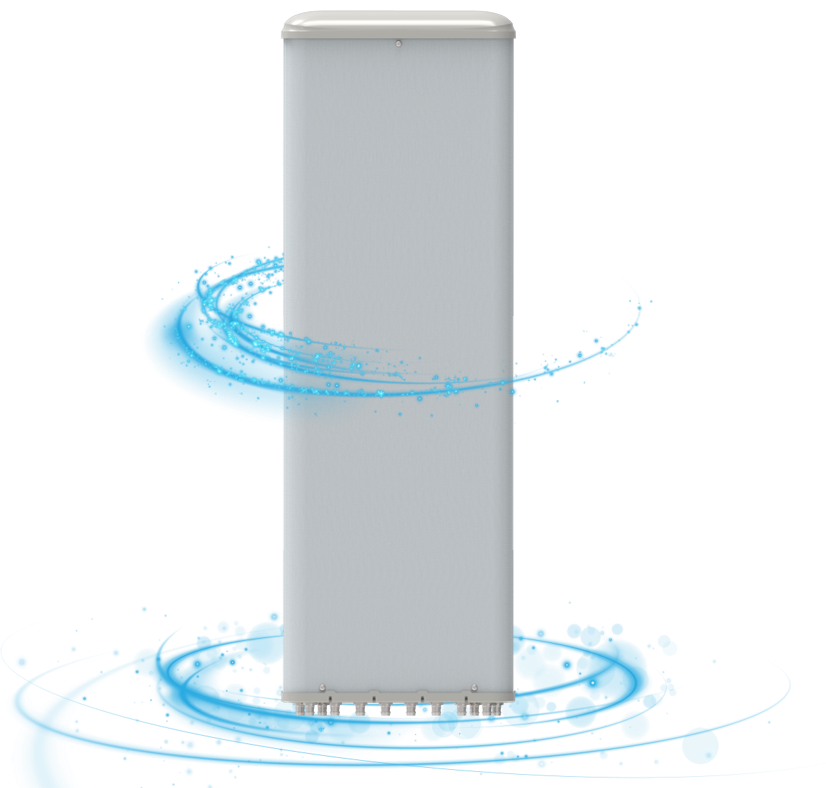
What Is a Green Antenna?A Green Antenna is a high-efficiency base station antenna engineered to:
By optimizing how RF energy is transferred from the radio to the radiating elements, Green Antennas help operators transmit more power with less energy waste. |
 |
Helifeed Technology: High-Efficiency Direct Feeding
At the core of Comba’s Green Antenna solution is Helifeed, an innovative direct-feeding architecture that connects the phase shifter and feeding network directly to each dipole.
This design significantly reduces losses found in traditional antenna architectures, where longer cables and more components can degrade efficiency.
Key Benefits of HeliFeed Technology
- Ultra-low insertion loss for improved RF efficiency
- Higher antenna gain and better overall performance
- Reduced CO₂ emissions through lower energy consumption
- Lightweight and compact design
- Fewer components, improving reliability and manufacturability
- Modular architecture for easier integration
- Lower environmental impact through material reduction
Why Low Insertion Loss Matters
In a conventional antenna, RF signals pass through multiple cables and components before reaching the radiating elements, creating losses that require more input power to achieve the desired coverage.
Comba’s HeliFeed technology minimizes these losses by simplifying the signal path. The result is:
- Improved energy efficiency
- Reduced operating expenses (OPEX)
- Lower site power consumption
- Enhanced network sustainability
Environmental and Operational Benefits
Green Antennas contribute to operators’ ESG and net-zero goals by:
- Reducing electricity consumption across the network
- Lowering greenhouse gas emissions
- Decreasing raw material usage
- Simplifying manufacturing processes
- Reducing transportation and installation costs through lighter products
Designed for Modern 4G and 5G Networks
Comba Green Antennas are ideal for mobile operators seeking to:
- Improve base station energy efficiency
- Reduce total cost of ownership (TCO)
- Meet sustainability and ESG objectives
- Enhance network performance without increasing power consumption
Build Greener Mobile Networks with Comba
Comba continues to innovate antenna technologies that help operators balance network expansion with sustainability goals. Our Green Antenna portfolio delivers the efficiency, performance, and environmental benefits needed for next-generation mobile networks
Applications
 |
 |
 |
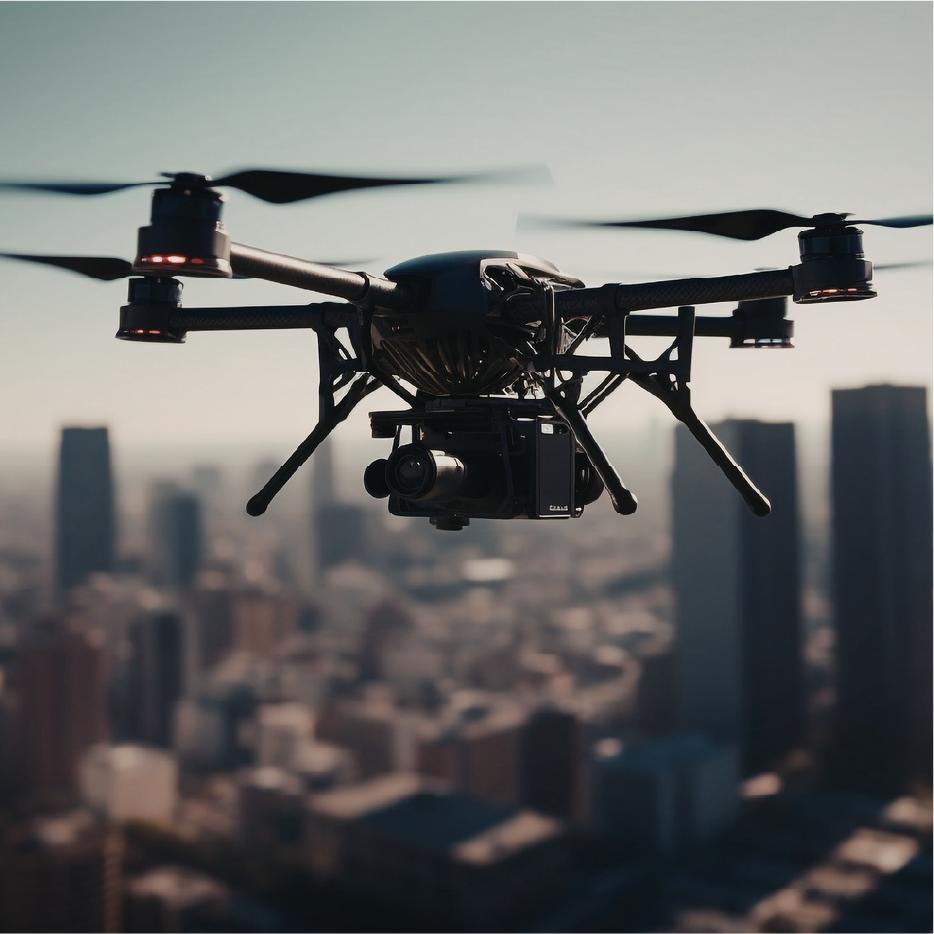
LOW-ALTITUDE COVERAGEDrone corrider support |
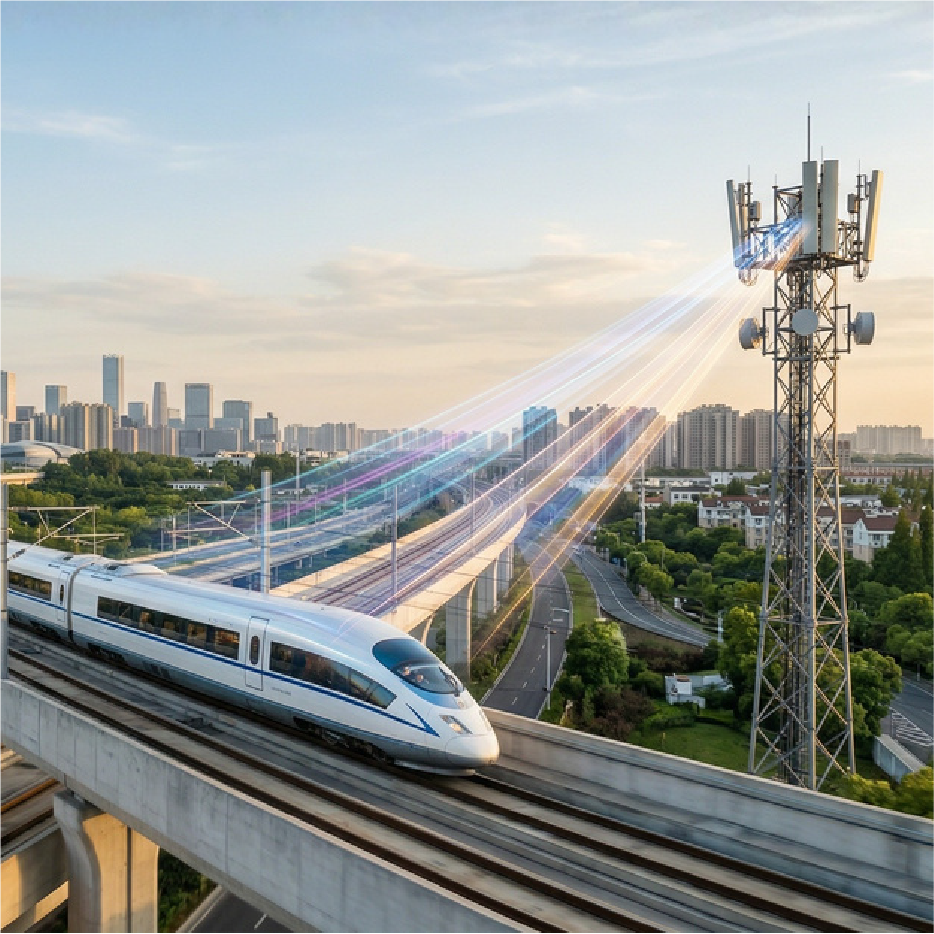
HIGH-SPEED RAILWAYStable handovers above 300km/h |
MARITIME COVERAGEReliable offshore connectivity |
Frequently Asked Questions
What is a Green Antenna?
A Green Antenna is a high-efficiency antenna designed to reduce energy losses and lower the environmental impact of mobile network infrastructure.
How does Helifeed technology work?
HeliFeed directly connects the phase shifter and feeding network to the antenna dipoles, reducing insertion loss and improving efficiency.
How do Green Antennas reduce carbon emissions?
By minimizing RF losses, Green Antennas require less power to deliver the same network performance, reducing energy consumption and associated CO₂ emissions.
What are the business benefits for operators?
Operators benefit from lower energy costs, improved performance, reduced material use, and stronger alignment with ESG commitments.
MORE RESOURCES
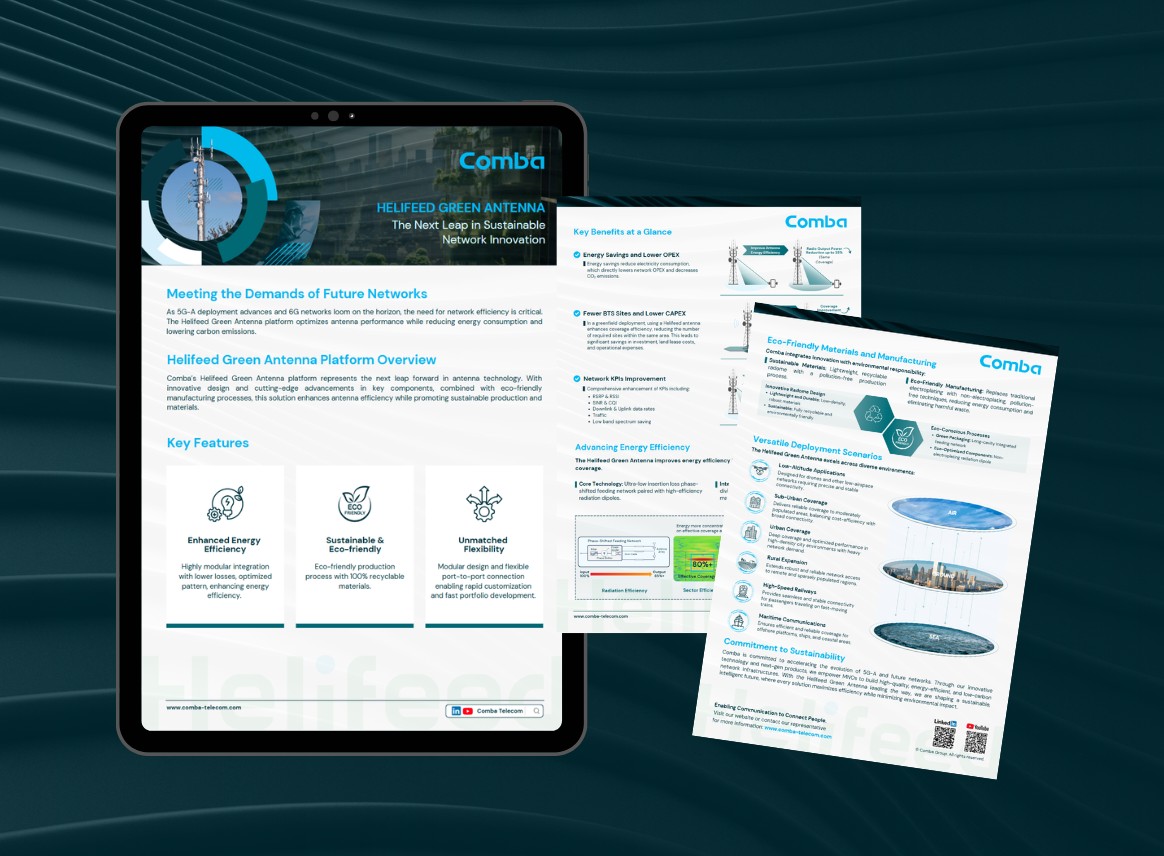 |
➡️ Download Helifeed Green Antennas Brochure: Click Here |
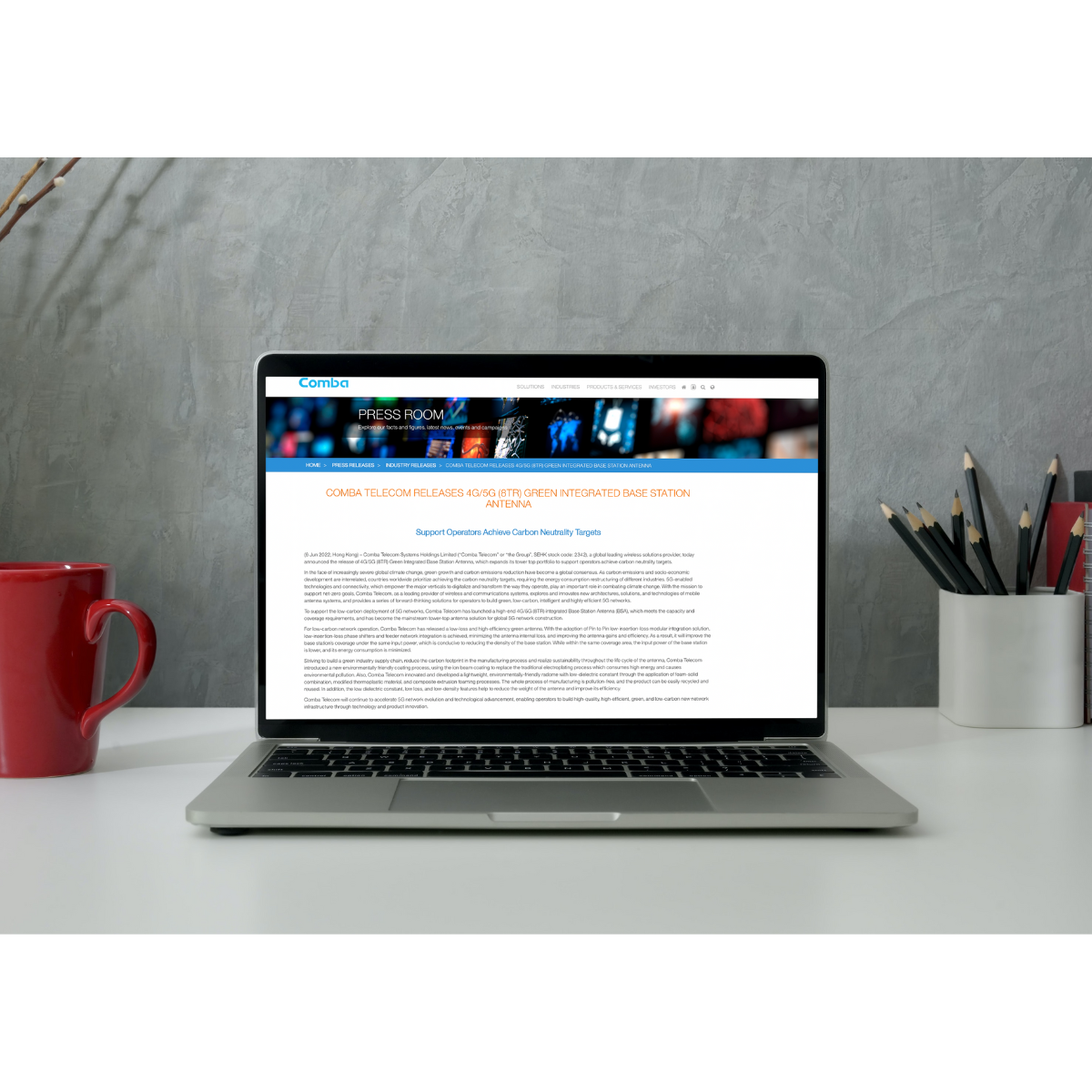 |
➡️ Read the Official Press Release Here |


